
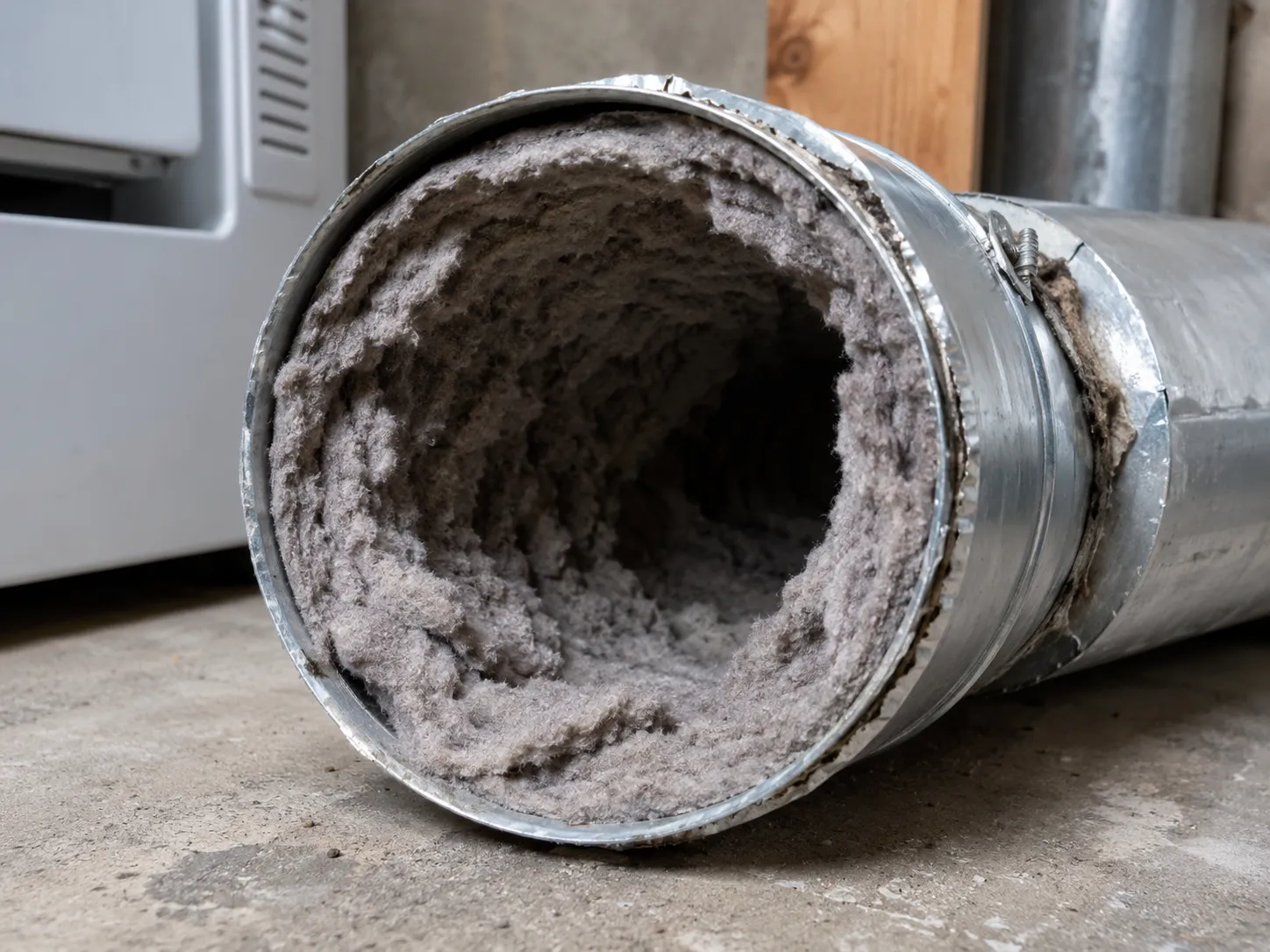
Quick Answer: Pet hair and dander travel through the return side of your HVAC system and collect at bends, register boxes, and furnace components. Filters capture some debris but cannot remove material already lodged inside the ductwork. Pet owners should check their duct systems more often than households without pets. Once buildup is confirmed, cleaning often makes sense sooner. The ideal interval depends on the number of pets, shedding season, and how tightly sealed the home is. The U.S. Environmental Protection Agency (EPA) recommends evaluating the entire HVAC system and making cleaning decisions based on its condition rather than following a fixed schedule.
Air Duct Cleaning for Pet Owners Starts with Understanding Where Hair and Dander Collect
Dander plays a bigger role than hair because it’s microscopic and stays airborne much longer. Return air intakes continually pull that airborne dander back into the HVAC system. Hair also contributes by collecting at slow points in the ductwork, where it traps dander, dust, and litter particles.
Our technicians often find return register grilles so matted with hair that they restrict airflow before it even reaches the furnace. Hair that gets past the grille settles in horizontal duct runs and 90-degree elbows where airflow slows. It also collects inside the blower compartment, where it gradually traps more dust and dander.
That pattern accelerates during Saskatchewan’s long, dry heating season. Furnaces run more hours here than in milder climates, creating more air cycles through the system. Dry indoor air also keeps pet dander airborne longer instead of letting it settle on surfaces.
Why Air Duct Cleaning with Pets Goes Beyond Changing the Filter
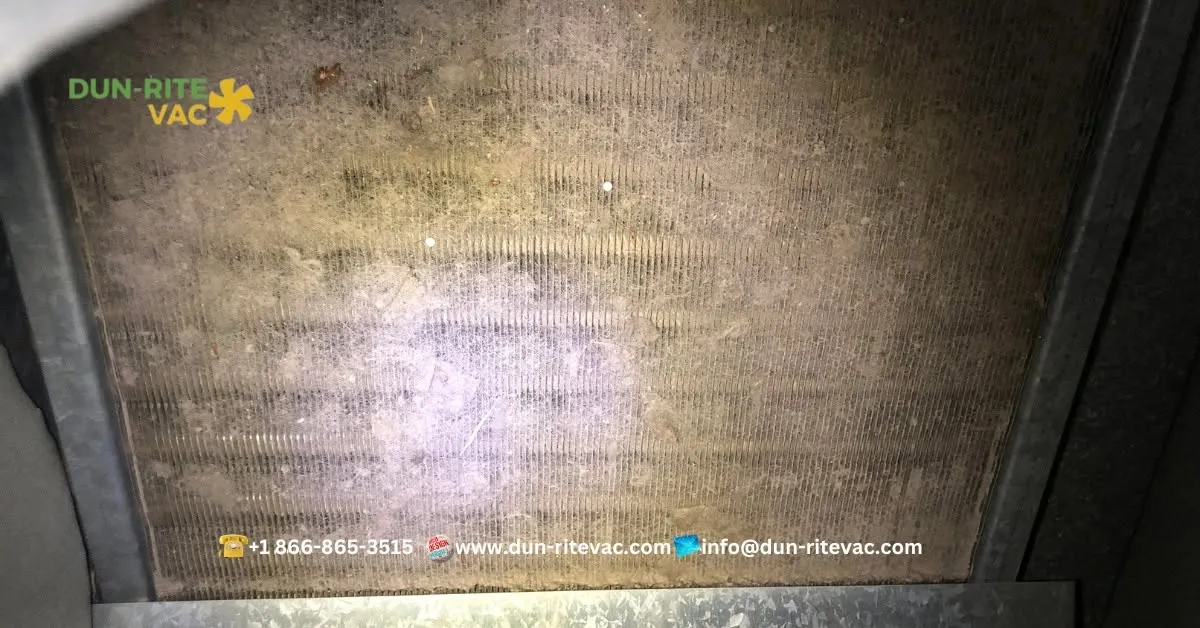
A lot of pet owners assume that upgrading to a higher-MERV filter and changing it monthly solves the problem. It helps — but it only addresses air passing through the filter going forward. It does nothing for dander and hair that’s already settled in the ducts, at the coil, or in the blower housing from before that filter upgrade.
Filters also have limits. Standard 1-inch furnace filters mainly protect HVAC equipment rather than remove fine airborne particles. Higher-MERV filters capture smaller particles, but they can also reduce airflow if the system isn’t designed for them. The EPA recommends choosing the highest MERV-rated filter your HVAC system can support without reducing proper airflow. Our technicians often meet homeowners who upgraded their filters several times, only to discover the dust buildup was already inside the ductwork.
Pet households also tend to need filters checked more often than the manufacturer’s default schedule — exactly how much more often depends on the number of pets, how heavily they shed, and the filter type, so it’s worth checking sooner rather than assuming a generic interval still applies. The EPA also recommends replacing HVAC filters according to the manufacturer’s instructions and checking them more frequently whenever they become heavily soiled. Filter maintenance and duct cleaning aren’t substitutes for each other — they handle two different parts of the same airflow path, and pet households generally need to stay on top of both.
Pet Dander in Air Ducts Often Starts at the Return Registers
Remove a return air grille in a pet owner’s home and you’ll often find a thick layer of dog hair and dust inside the boot. The boot is the metal box behind the grille that connects to the ductwork. Most homeowners clean only the visible grille and never look inside.
That boot is one of the first places airflow slows down enough for hair to drop out of suspension, which makes it a reasonable rough indicator of what’s likely happening further into the system. If the boot behind a return grille is thick with hair, it’s a fair bet that supply runs and the blower compartment have some buildup too, even though you can’t see them without opening the system up.
Homeowners can safely handle some of this maintenance. Turn the system off, remove the grille, vacuum loose hair and dust from the grille and the visible boot, then wipe the grille before reinstalling it. Don’t reach deeper into the ductwork or try to clean beyond what you can see. Doing so can push debris farther into the system or damage the ductwork. If the buildup extends beyond your vacuum’s reach, consider scheduling a professional inspection.
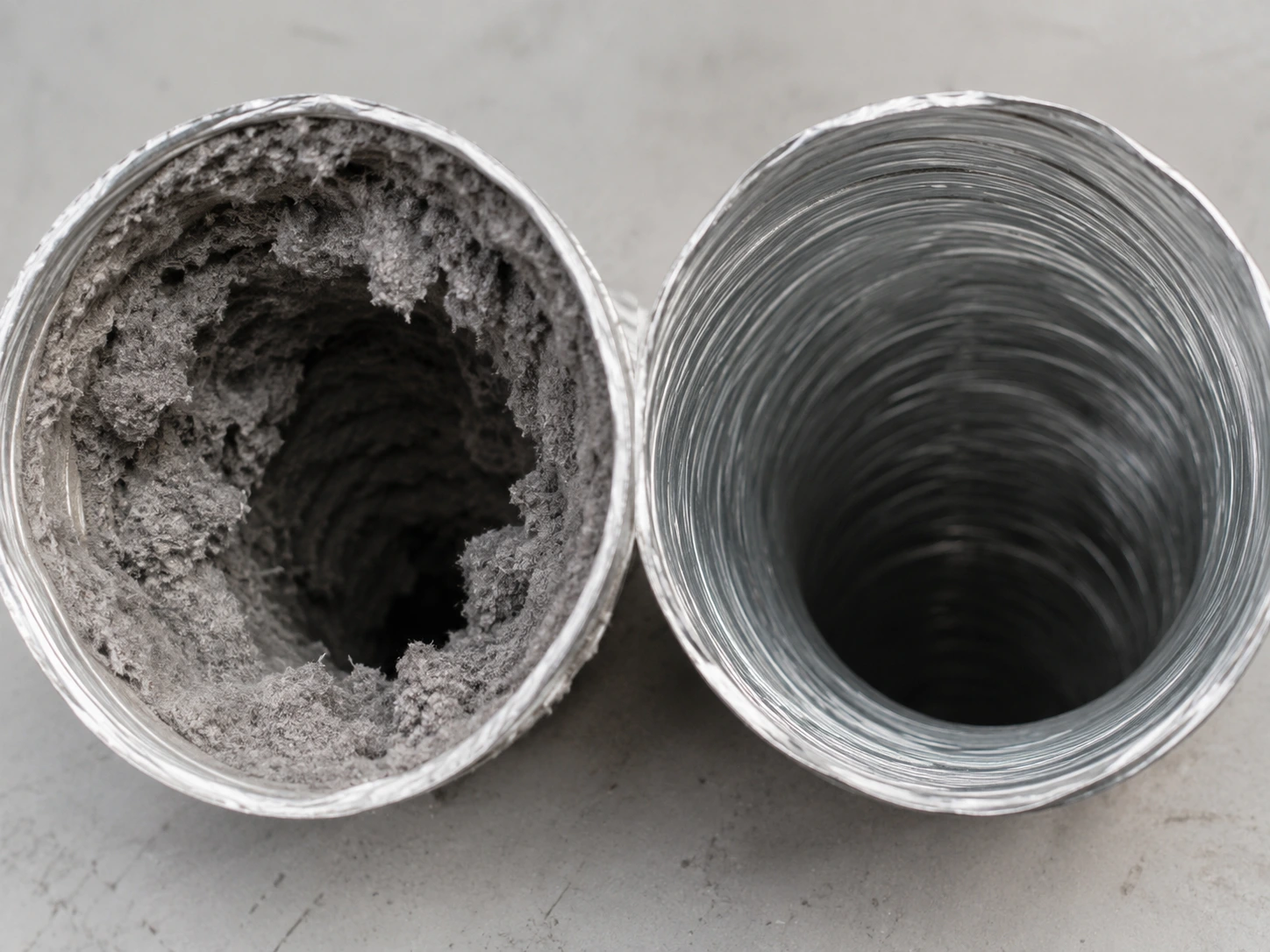
If removing your return grille revealed heavy buildup, don’t guess what lies deeper in the system. Get in touch for a free quote. We’ll inspect the system and tell you honestly whether cleaning makes sense.
Air Duct Cleaning for Pet Owners: What’s Realistic for Allergy Relief
Duct cleaning can reduce accumulated dust and pet dander inside the HVAC system, but it isn’t a cure for pet allergies. Pets continue shedding hair and dander every day, so the source remains. Cleaning removes much of the buildup that has collected inside the system over months or years and may otherwise continue circulating when the furnace or air conditioner runs.
Homeowners who see the most noticeable difference are usually the ones combining a cleaning with consistent filter changes and regular vacuuming with a HEPA-filtered vacuum, rather than treating the duct cleaning as a one-time fix. If someone in the household has a diagnosed pet allergy, duct cleaning is reasonably framed as one part of managing exposure, not the whole solution. The EPA notes that duct cleaning has not been conclusively shown to prevent health problems and should not be viewed as a cure for allergies.
When Multi-Pet or Multi-Story Homes Need Ducts Checked More Often
Not every pet household needs the same cleaning interval. A single, short-haired cat in a small bungalow puts a very different load on a duct system than three dogs in a two-story home with a finished basement running its own supply branches. More pets, more square footage, and more duct runs all mean more surface area for hair and dander to collect on before it reaches the filter.
We’ve consistently found heavier buildup in homes with both a dog and a cat than in similar single-pet homes. Acreage properties often collect even more dust because pets move in and out throughout the day. Older homes add another challenge. Rougher duct interiors and extra joints trap hair and dander more easily than newer duct systems.
That doesn’t mean every multi-pet household needs annual cleaning. Instead, treat typical cleaning intervals as a starting point rather than a strict rule. Watch for signs such as matted return boots, filters that clog quickly, or dust settling on furniture soon after cleaning. Those signs often justify inspecting the system sooner. You can see what a typical residential furnace duct cleaning covers, or learn more about the full furnace duct cleaning process.
FAQ
Does having a dog or cat mean I need duct cleaning more often than a non-pet household?
Generally yes, though the exact interval depends on the number of pets, breed and shedding pattern, and how much of the home they access. Pet ownership is one of the more common reasons homeowners move toward the shorter end of the typical cleaning range rather than waiting the full interval.
Will a HEPA furnace filter make duct cleaning unnecessary?
No — a HEPA-rated filter only affects air moving through it going forward. It doesn’t remove hair and dander already collected in ducts, register boots, or the blower compartment from before the filter was installed.
Can duct cleaning eliminate pet allergy symptoms?
It typically reduces the accumulated dander circulating through the home’s air, but it won’t stop ongoing shedding and dander production. Most households see the best results combining a cleaning with regular filter changes and vacuuming rather than expecting it to solve allergies on its own — for guidance on managing diagnosed allergy symptoms themselves, a doctor or allergist is the right resource.
Is it normal to find hair inside the return air register, not just the grille?
Yes, this is common in pet households. The return boot behind the grille is one of the first spots where airflow slows enough for hair to settle, and heavier buildup there often points to similar buildup further into the duct system.
Should I vacuum my air vents if I have pets?
Vacuuming the visible grille and boot on return registers is a reasonable habit for pet owners and can be done safely with the system off and a crevice attachment. It won’t replace a full duct cleaning, since it only reaches what’s visible from the grille, but it does cut down on how quickly hair recirculates between cleanings.
You Might Also Find This Helpful
- Why Dust Keeps Coming Out of Your Air Vents
- DIY Air Duct Cleaning vs. Professional Cleaning
- How Cleaning Your Air Ducts Can Save You Money
Air duct cleaning for pet owners helps remove pet hair and dander from areas filters can’t reach. Our NADCA-certified technicians have completed more than 50,000 jobs across Saskatchewan and Western Manitoba. We’ll inspect your system and tell you honestly whether cleaning is worthwhile. The National Air Duct Cleaners Association (NADCA) recommends cleaning the entire HVAC system, including the blower, coils, and registers.
Request Your Free Quote — backed by our 100% Satisfaction Guarantee.