
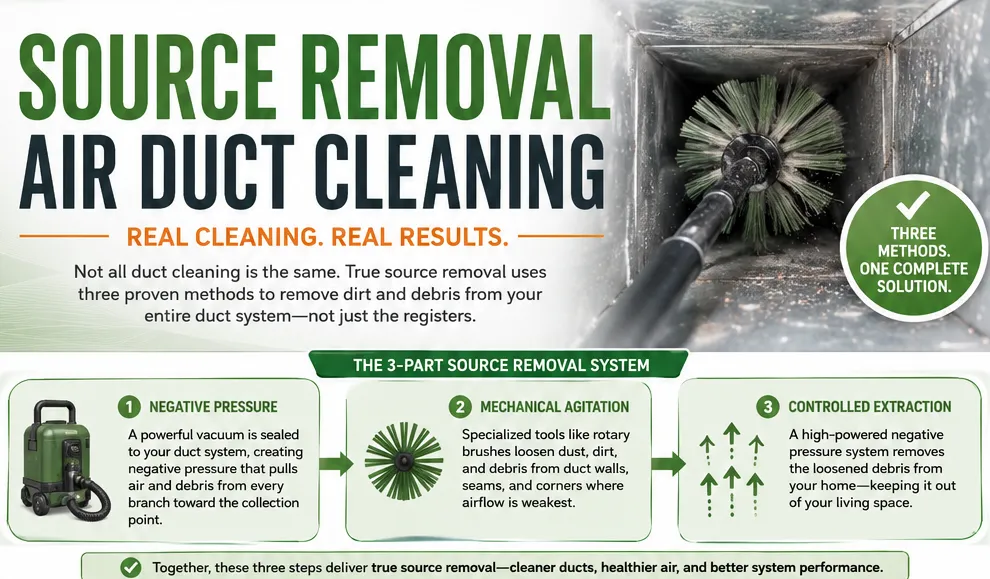
Quick Answer: Source removal air duct cleaning combines three methods. These include negative pressure (a powerful vacuum sealed to the duct system), mechanical agitation (tools that loosen debris from duct walls), and controlled extraction, which removes debris from the home instead of stirring it around. According to NADCA’s ACR Standard, all three methods work together as one process. A technician who only vacuums through accessible registers without sealing the system to a negative-pressure source is not performing true source removal.
How Source Removal Air Duct Cleaning Actually Works
NADCA’s ACR Standard defines source removal as a combination of methods rather than a single tool or technique. When technicians use those methods together, they perform true source removal air duct cleaning. Negative pressure creates suction strong enough to hold the whole duct system under continuous vacuum. Technicians run mechanical agitation tools through the ductwork while the system stays under negative pressure. Those tools knock debris off the duct walls. Extraction is what carries that loosened material out of the home instead of letting it resettle a few feet downstream.
NADCA’s ACR Standard requires negative pressure, mechanical agitation, and extraction to work together as one process. Agitation without negative pressure just redistributes dust further into the system. Negative pressure without agitation only pulls out what was already loose, leaving anything stuck to the duct walls behind. This is what NADCA source removal actually means in practice — and it’s why we don’t treat NADCA certification as a formality. Our ASCS-certified technicians have run this exact process on more than 50,000 jobs over our 27+ years in business (since 1998), as part of the full furnace duct cleaning service we provide across the region.
Why Shop-Vac Cleaning Isn’t Source Removal Air Duct Cleaning
One sign of a surface-level cleaning is registers that look freshly wiped down while the trunk line just a short distance in is still packed with debris. That’s the visible signature of accessible-register cleaning — someone reached in as far as a hose or brush would go and stopped there.
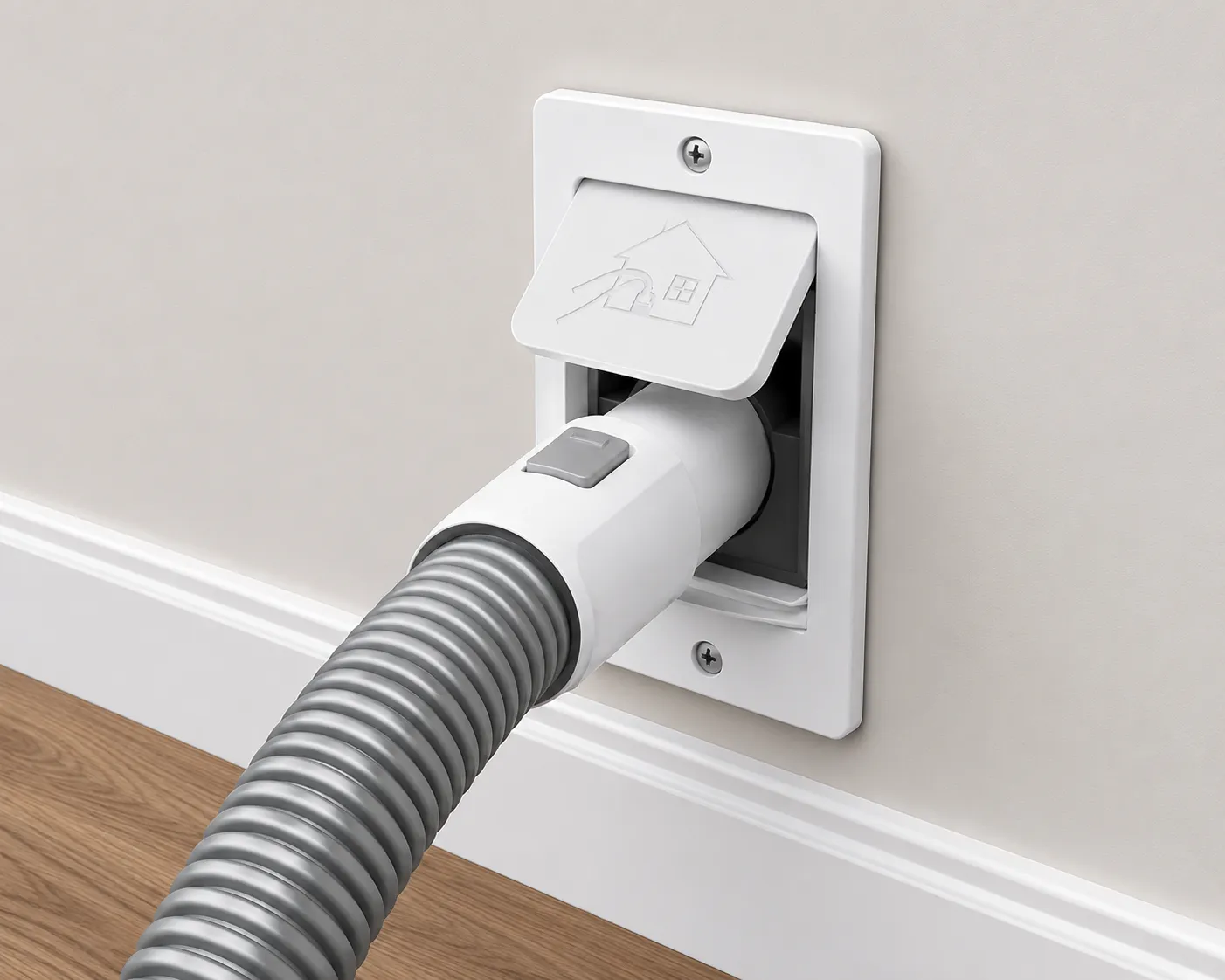
The problem is structural, not a matter of effort. A shop-vac isn’t sealed to the duct system. It doesn’t create the continuous negative pressure needed to move air through the full duct network. It only cleans the areas the hose can physically reach, leaving the rest of the system untouched. Everything past that point — the long horizontal trunk runs, the elbows, the connections at the furnace — never gets touched.
If you’ve had duct cleaning before, you may not know which method the company used. It’s worth finding out before you book again. We’re happy to walk through what a source removal visit looks like for your specific system before you commit to anything — reach out and ask us directly.
How Negative Pressure Powers Source Removal Air Duct Cleaning
Technicians seal the system and place it under negative pressure. That pressure pulls air and loose debris from every branch line toward a single collection point instead of pushing it into the home. The U.S. Environmental Protection Agency (EPA) notes that dust and debris should be properly contained during duct cleaning, while NADCA’s ACR Standard requires the system to remain under negative pressure throughout the source-removal process.
In Saskatchewan and Western Manitoba, this step carries extra weight because of how long the heating season runs here. Furnaces here cycle for months straight through a dry prairie winter instead of switching on and off through a shorter season. By the time a system in Saskatoon, Yorkton, Regina, Weyburn, or the surrounding area gets its first thorough cleaning, there’s often more buildup than homeowners expect. That’s one reason proper source removal matters. Surface-level vacuuming cannot remove debris from the entire duct system. Source removal air duct cleaning removes that debris by combining negative pressure, agitation, and controlled extraction.
Why Dust Doesn’t Just Pull Loose on Its Own
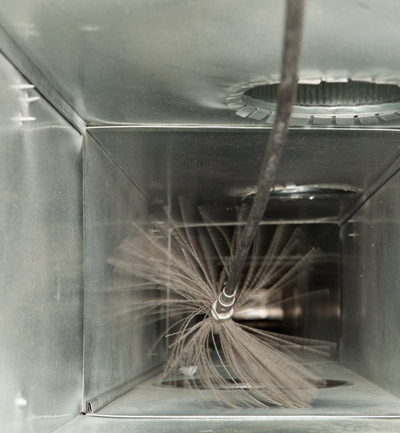
Negative pressure alone only removes debris that has already come loose. In practice, a lot of what accumulates in ductwork isn’t loose dust sitting on the bottom of the duct — it’s finer material that’s clung to the metal, packed into seams, or built up in corners where airflow is weakest.
A previous “quick clean” often leaves packed debris in corners, seams, and other low-airflow areas. Vacuum airflow alone may not remove that material. Technicians use brushes, air whips, and similar tools to loosen that material. The negative-pressure system then removes it. Skip agitation and you’re left with a system that looks cleaner at the registers while the bulk of what was actually built up stays exactly where it was.
How to Identify True Source Removal Air Duct Cleaning
You don’t need to diagnose your own ductwork to compare quotes. A source removal air duct cleaning job connects equipment directly to the duct system instead of cleaning only through the registers. If a quote seems unusually fast or unusually cheap, it’s worth asking how the work will actually be performed.
A NADCA-certified technician should explain how they seal the system. They should also identify the agitation equipment they use instead of simply saying they “vacuum the ducts.” One simple thing to watch for on-site: equipment actually staged at the furnace or a dedicated trunk-line access point, not just a hose disappearing into a supply register. If a quote can’t answer how the system gets sealed, it’s reasonable to ask before booking. For a broader rundown of red flags across the whole hiring process, our guide to spotting non-legitimate duct cleaning offers covers that ground in more detail.
FAQ
Can a technician do source removal without NADCA certification?
Technically the equipment could be owned by anyone, but NADCA’s standards and ASCS certification verify that a technician has been trained to perform source removal according to the organization’s requirements — how to seal a system correctly, how to size equipment for it, and how to avoid damaging ductwork in the process. Uncertified operators sometimes use similar-looking equipment without following the full process, which is part of why certification is worth asking about directly.
Does source removal work the same way on older homes with original ductwork?
The principle is the same, but older duct systems — common in older housing stock across our service area — sometimes need extra care in sealing and agitation intensity to avoid stressing aging metal or connections. A technician should adjust for that rather than running every system identically.
How do I know if my last service was true source removal air duct cleaning?
If the technician never connected equipment directly to your duct system — for example, at the furnace return or a dedicated access point — and only worked through the registers, it likely wasn’t source removal. If you’re unsure, describe what was done and we can tell you what to look for next time.
Is source removal necessary every time, or only for a first cleaning?
It’s the standard method for any proper cleaning, not just a first one — but that doesn’t mean every home needs cleaning on the same schedule. A system that’s been properly source-removal cleaned before and hasn’t seen major renovation, pest activity, or years of heavy use may not be due yet. It’s worth asking rather than assuming.
You Might Also Find This Helpful
- What NADCA Certification Actually Means
- Is Duct Cleaning a Scam? How to Spot the Difference
- The Ultimate Checklist When Hiring an Air Duct Cleaning Company
Our ASCS-certified technicians have been running full source removal jobs across Saskatoon, Yorkton, Regina, and Weyburn since 1998, and we stand behind every one with our 100% Satisfaction Guarantee. If you want a straight answer on whether your ductwork actually needs it, get in touch for a free quote and we’ll tell you what we see.