
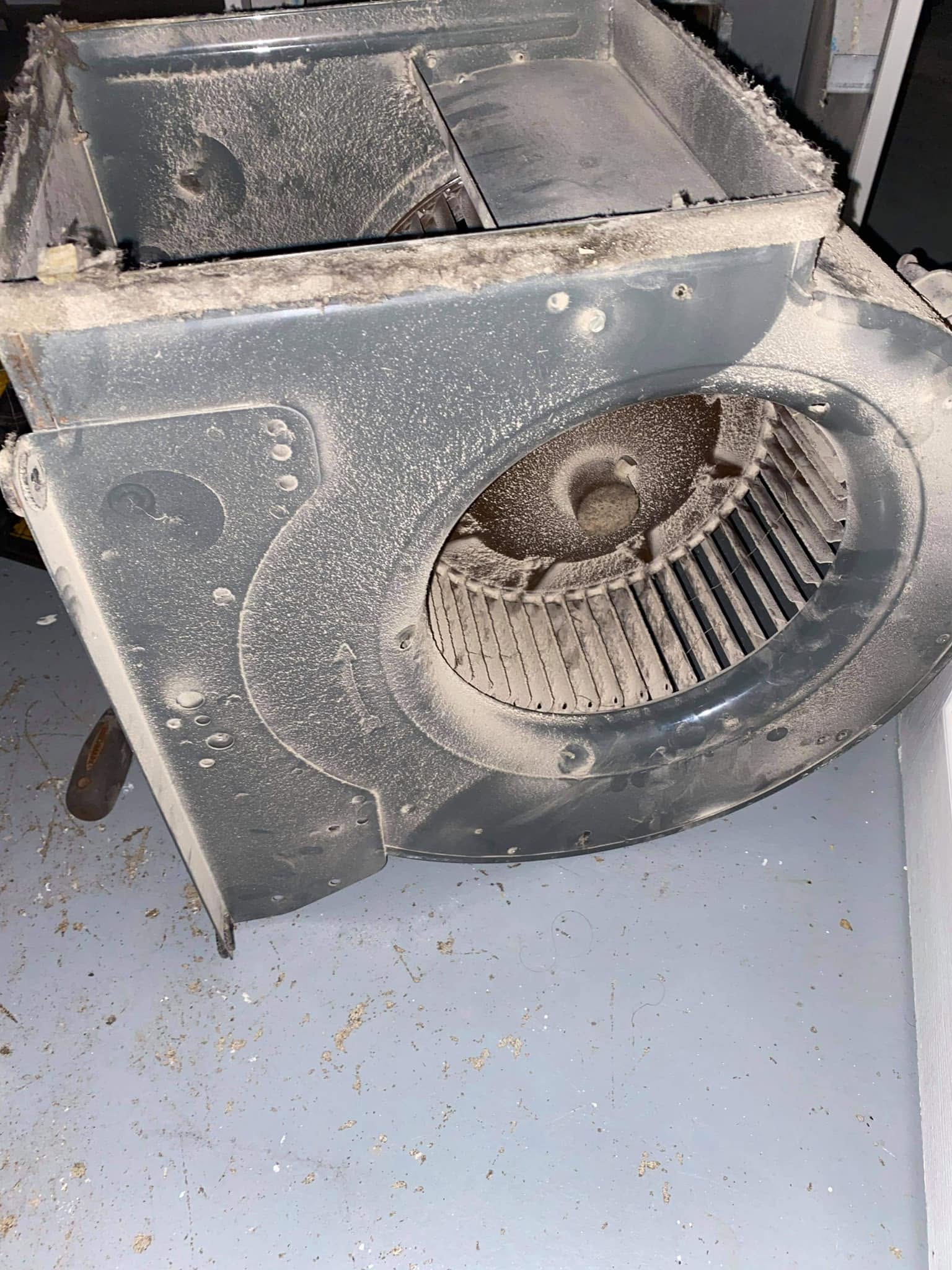
Commercial HVAC systems can collect dust, debris, and other material throughout accessible ductwork and system components over time. For building owners and facility managers, the important question is not whether every commercial building needs duct cleaning on a fixed schedule, but whether inspection shows conditions that justify cleaning.
Fire-code, insurance, indoor-air-quality, and maintenance requirements also need to be evaluated separately. Ordinary dust inside a comfort HVAC system should not automatically be treated as a combustible-dust hazard or a code violation. When a specific inspection, insurer, contract, or authority identifies an HVAC-related requirement, the scope of work should address that requirement directly.
Quick Answer: There is no universal 2- or 3-year cleaning interval for commercial HVAC ductwork. NADCA’s approach is based on assessment and cleanliness inspection rather than automatic cleaning by calendar. If inspection identifies significant accumulated material or another condition that warrants cleaning, the project scope should be developed around the building’s actual HVAC system, access, occupancy, and applicable requirements.
When Fire-Risk or Compliance Concerns Are Relevant
Dust accumulation inside an ordinary commercial comfort-HVAC system should not automatically be described as a fire-code violation or combustible-dust hazard. Combustible-dust standards apply to specific materials and processes where particulate can create a defined fire or deflagration hazard.
Some industrial and manufacturing facilities do handle combustible particulate, but those situations require a hazard assessment and controls appropriate to the particular material and process. They are different from ordinary dust found in office, retail, institutional, or multi-residential HVAC systems.
If a fire inspector, insurer, engineer, property standard, lease, or other authority identifies a particular HVAC-cleanliness requirement, review the exact requirement before deciding what work is needed. Professional cleaning may form part of the response when accumulated material is actually the issue, but duct cleaning by itself should not be presented as proof of fire-code or insurance compliance.
How to Handle Indoor-Air-Quality Concerns
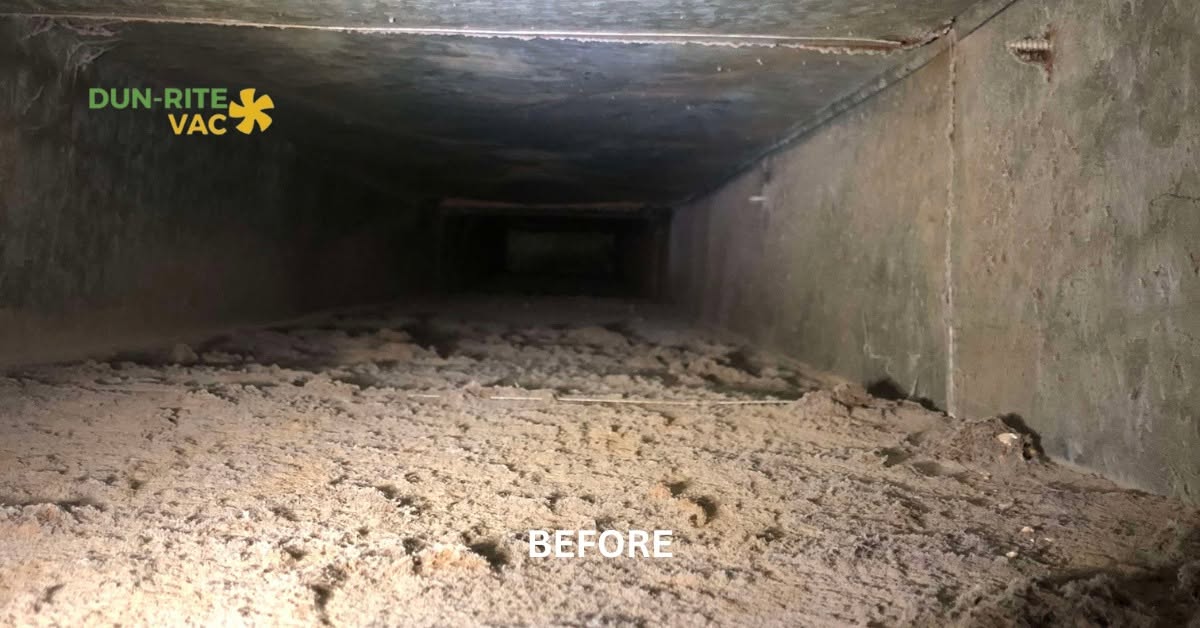
Tenant or employee complaints about odours, dust, irritation, or indoor air quality should be investigated rather than automatically attributed to dirty ducts. Ventilation rates, outdoor-air intake, filtration, moisture, building materials, housekeeping, HVAC operation, construction activity, and other factors can all affect indoor conditions.
If inspection finds substantial contamination inside the HVAC system, professional cleaning may be one part of the corrective work. If moisture or suspected microbial growth is present, the source of moisture also needs to be identified and corrected rather than relying on duct cleaning alone.
Our HVAC sanitization service is separate from physical source-removal cleaning. An antimicrobial treatment should not automatically be added because of an odour or indoor-air-quality complaint. If such a treatment is considered, the need for it should be established after cleaning and the specific product must be appropriate for the intended HVAC application and used according to its approved label.
How Often Commercial HVAC Systems Should Be Inspected
There is an important difference between an inspection interval and a cleaning interval. Commercial HVAC systems can be inspected routinely without automatically being cleaned each time.
ACR, The NADCA Standard provides procedures for assessing HVAC systems, evaluating cleanliness, determining appropriate engineering controls, developing the scope of work, cleaning system components, and verifying cleanliness afterward.
The need for cleaning should be based on what those inspections find. Factors that can affect the assessment include:
- the amount and type of accumulated material;
- building use and operating conditions;
- the HVAC components affected;
- filter and maintenance history;
- moisture or pest concerns;
- construction, renovation, or retrofit work; and
- building-specific specifications or maintenance requirements.
Renovation is a good example. NADCA recommends inspecting HVAC components affected by construction, retrofit, or remodelling and verifying that they are clean before operation. That does not mean every renovation automatically requires professional duct cleaning.
What to Expect From a Commercial HVAC Cleaning Project
Commercial HVAC systems vary considerably in size, configuration, equipment, access, and occupancy. For that reason, NADCA’s General Specification for the Cleaning of Commercial HVAC Systems specifically states that the specification should be modified to account for the unique system variations in an individual building.
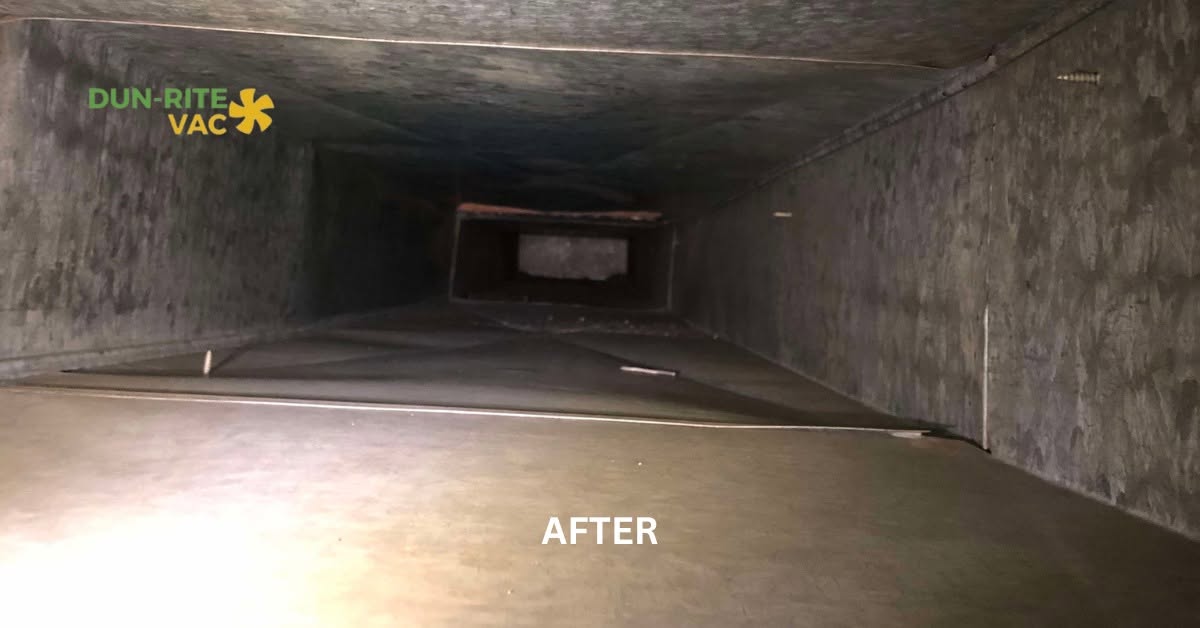
A commercial project should begin with a clear scope identifying which HVAC systems and components are included. Depending on that scope, the work may involve inspection, controlled access, source-removal cleaning, negative-pressure equipment, agitation methods appropriate to the materials being cleaned, and verification of cleanliness after the work.
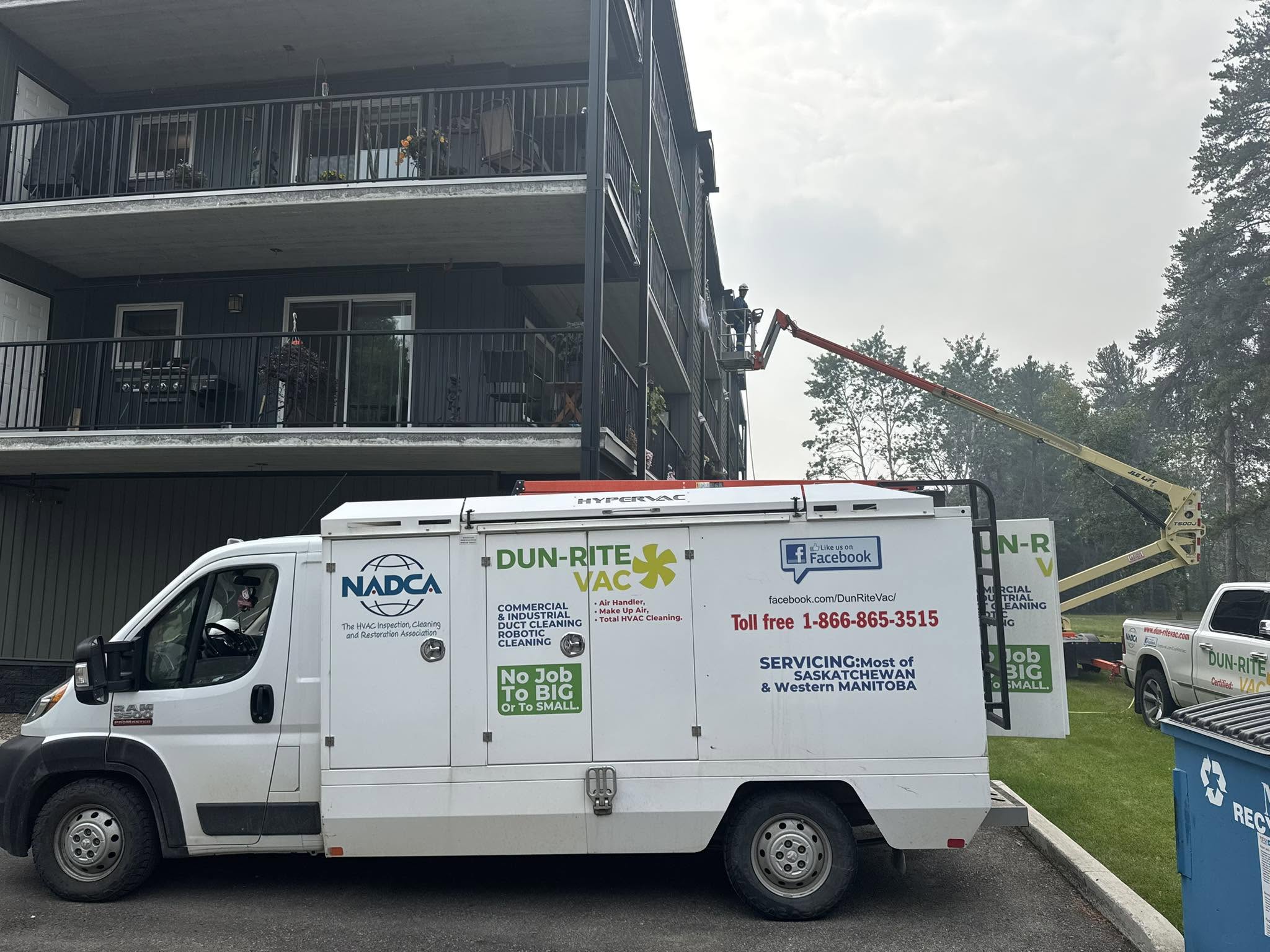
Dun-Rite Vac has served customers since 1998, is listed with NADCA, and has ASCS-certified personnel. Our commercial air duct cleaning service is planned around the building and accessible HVAC components rather than assuming every property has the same system layout.
What May Be Included in Professional HVAC Duct Cleaning Services
The phrase “duct cleaning” can describe different scopes of work, so commercial building managers should confirm exactly what is included before approving a project.
Depending on the system and agreed scope, commercial HVAC cleaning may include:
- Supply and return ductwork — accessible sections identified in the project scope.
- Registers, grilles, and diffusers — where included and accessible.
- Air-handling components — selected accessible components where cleaning is part of the agreed scope and appropriate for the equipment.
- Associated duct connections — including rooftop or mechanical-room connections when they are part of the HVAC system being cleaned and included in the project.
- Source-removal cleaning — using appropriate agitation and vacuum collection methods to remove accumulated material rather than simply relocating it within the system.
- Cleanliness verification — using an appropriate method to confirm that the agreed cleaning work meets the specified level of cleanliness.
Not every component can necessarily be reached without additional access, and not every component belongs in every cleaning scope. The contractor should identify access limitations and explain what can and cannot be cleaned before or during the project.
If visible damage, pest evidence, moisture, or another condition outside normal HVAC cleaning is discovered, Dun-Rite Vac can explain what was observed and whether another qualified trade or specialist may need to evaluate it.
FAQ
Does duct cleaning count toward fire-code compliance?
Not by itself. Commercial duct cleaning is not a fire-code certification. Requirements depend on the building, occupancy, equipment, jurisdiction, and authority having jurisdiction. If an inspector, engineer, insurer, or other authority identifies a specific issue involving the HVAC system, review the exact requirement and determine whether cleaning, repair, inspection, documentation, or another action is required.
Is ordinary HVAC dust considered combustible dust?
Not automatically. Combustible-dust hazards involve specific finely divided combustible materials and operating conditions that require appropriate hazard assessment. Industrial dust-collection or process-exhaust systems should not be treated as equivalent to ordinary comfort-HVAC ductwork.
Can duct cleaning happen outside normal business hours?
Scheduling depends on building access, occupancy, system layout, project size, and the work involved. For commercial projects, scheduling requirements should be discussed during scoping so the cleaning plan can account for the facility’s operating needs.
Is dryer vent or rooftop unit cleaning included in standard commercial duct cleaning?
Do not assume either is automatically included. Rooftop-unit components or connections may be included when they are part of the HVAC system and specifically identified in the agreed scope. Dryer exhaust systems are separate from normal comfort-HVAC ductwork and should be inspected and scoped separately. Dun-Rite Vac also provides dryer vent cleaning.
What’s the difference between cleaning and sanitization for a commercial system?
Cleaning physically removes accumulated material from HVAC surfaces using appropriate source-removal methods. Sanitization is a separate chemical-treatment step and should not be described as automatically removing mould, bacteria, or viruses. If an antimicrobial product is considered, the reason for using it, the HVAC surfaces involved, and the specific product’s approved label all need to be considered. Physical cleaning and correction of moisture or contamination sources come first.
How often should a commercial building have its ducts cleaned?
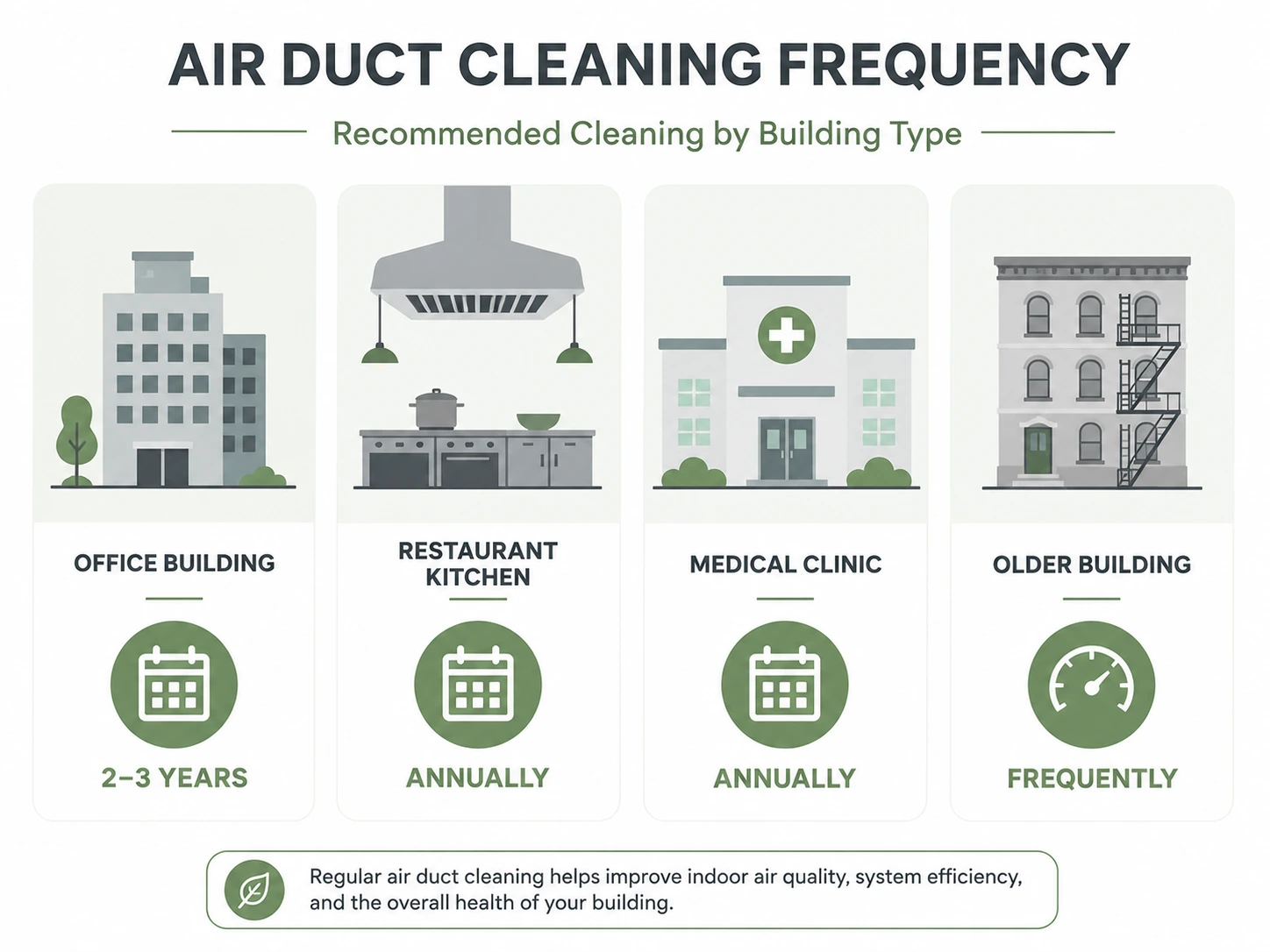
There is no universal cleaning interval. Routine cleanliness inspections are more useful than automatically scheduling cleaning every one, two, or three years. Cleaning should be performed when inspection findings and the condition of the HVAC system justify it.
What determines the cost of HVAC duct cleaning services for a commercial building?
Pricing can depend on the number and size of HVAC systems, the components included in the scope, accessibility, duct configuration, required equipment, building operating requirements, and the condition of the system. A multi-unit or complex commercial system can require a different scope from a smaller single-system property.
Not sure whether your commercial HVAC system actually needs cleaning? Dun-Rite Vac can assess the cleaning-related conditions, discuss the scope of the system, and provide a quote based on the property rather than a generic cleaning interval. Dun-Rite Vac has served customers since 1998, is listed with NADCA, and has ASCS-certified personnel. You can review our commercial air duct cleaning service or learn more about our broader furnace and duct cleaning process.