
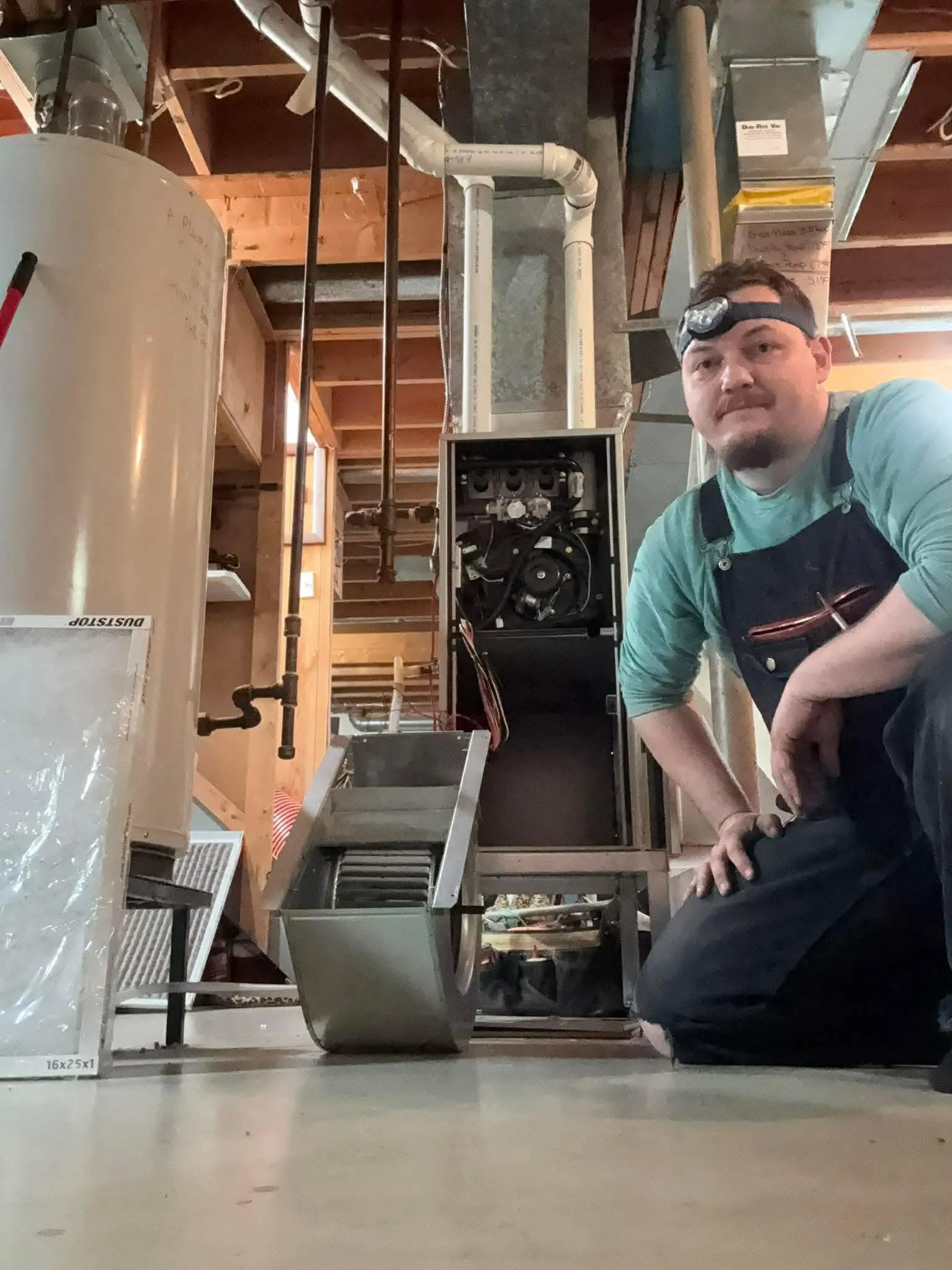
A homeowner in an older Yorkton basement calls in spring, describing a musty smell that shows up every year once the snow melts. The question is almost always the same: will duct cleaning make it go away for good? The answer depends on what’s causing the smell, whether moisture is involved, and what is actually present inside the HVAC system. Standard cleaning and air duct cleaning and sanitizing are also different services.
This post explains what duct cleaning can remove, when an additional treatment may be considered, why moisture problems need to be addressed separately, and when the issue may require a different type of professional.
Quick Answer: Air duct cleaning can physically remove dust, debris, and other material from accessible HVAC surfaces. If substantial visible mold growth is confirmed inside hard-surface ducts or other HVAC components, cleaning may be appropriate, but the underlying moisture problem must also be corrected. Sanitizing or other chemical treatment is not automatically required for every mold concern and should only be considered when appropriate for the system and the specific product being used.
What a Musty Smell After Spring Thaw Can Tell You
If a musty smell appears around spring thaw, after heavy rain, or during another period of increased moisture, it’s worth investigating rather than assuming the ductwork itself is the source. Basements, foundations, condensation, drainage problems, and other damp areas can all contribute to moisture and musty odours inside a home.
The EPA recommends drying wet or water-damaged materials within 24 to 48 hours when possible to help prevent mold growth. Health Canada also emphasizes controlling moisture and correcting leaks, excess humidity, or water infiltration when dealing with mould.
A musty smell can be a reason to investigate moisture or possible mould, but odour alone doesn’t confirm that mould is growing inside the ducts. If the HVAC system is suspected, the first step is to determine what is actually present and whether a moisture source needs to be corrected.
What Standard Duct Cleaning Removes — And Where It Stops
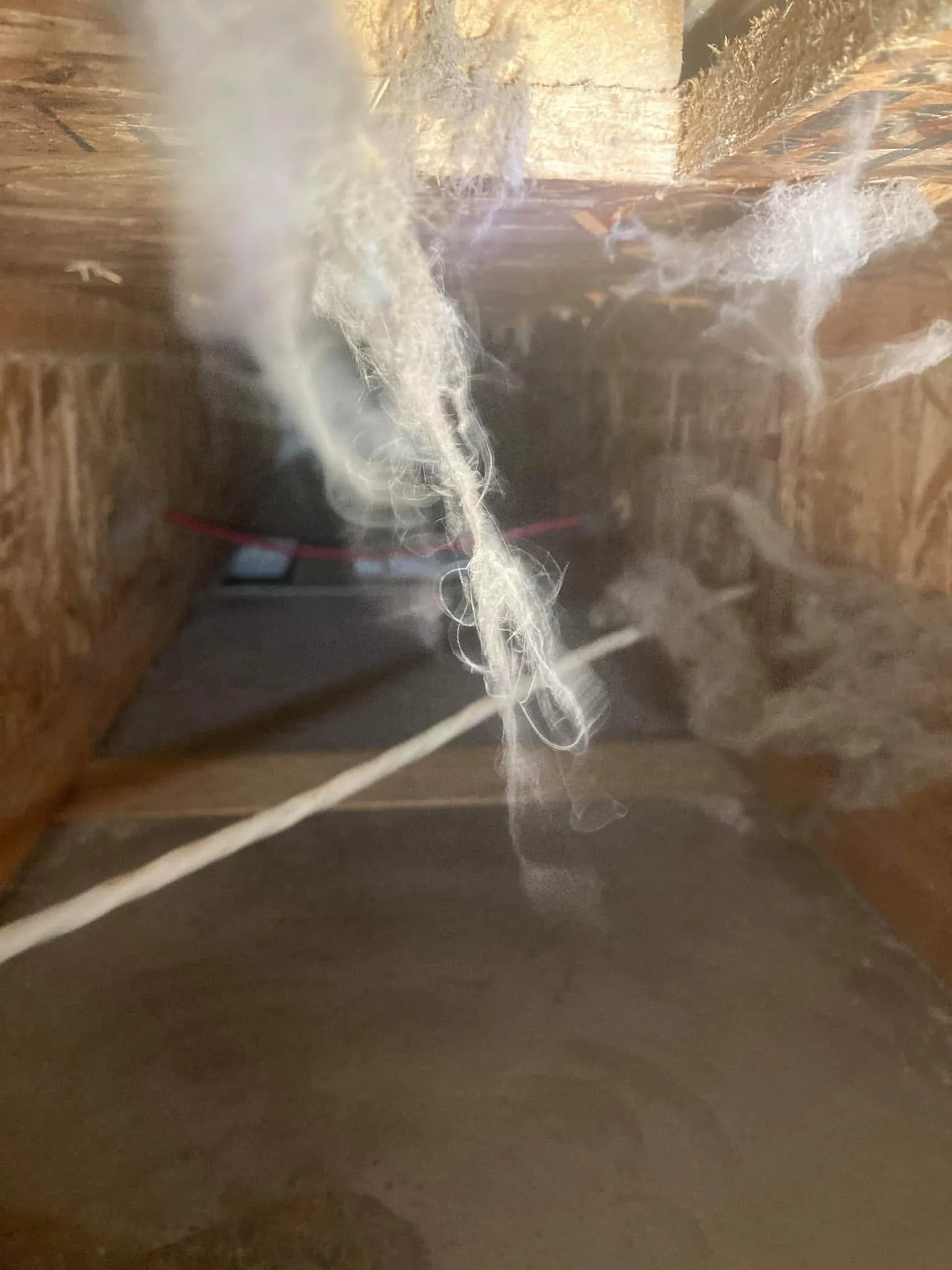
Standard duct cleaning is primarily a physical removal process. Following established industry practices, accumulated dust, debris, and other material are loosened and removed from accessible HVAC surfaces. NADCA’s standards and publications provide guidance for HVAC cleaning and restoration work.
If material that appears to be mold is found inside the system, it should not automatically be identified as mold based on appearance alone. The EPA notes that a positive determination may require evaluation by an expert and, in some cases, laboratory analysis.
Cleaning also doesn’t solve the moisture condition that allowed biological growth to develop. If water intrusion, condensation, high humidity, or another moisture source is involved, that problem needs to be corrected to reduce the chance of the issue returning. Our furnace and air duct cleaning page explains what Dun-Rite Vac’s standard cleaning service includes.
Where Sanitization Fits Into Air Duct Cleaning
Cleaning and sanitization are different steps. Cleaning physically removes accumulated material from HVAC surfaces. Sanitization involves applying a product as an additional treatment when there is a specific reason to consider it.
That additional treatment is not automatically required whenever a musty smell or suspected mold is present. The EPA advises that chemical biocides, when used at all, should only be applied after the HVAC system has been properly cleaned of visible dust and debris. The product must also be appropriate for the specific application and used according to its label instructions.
Because Dun-Rite Vac’s exact sanitizing product and its approved label uses have not been specified here, the safest approach is to ask what product is being proposed, why it is being recommended, and what its label allows before approving treatment. Our HVAC sanitization page explains how this optional service fits alongside physical cleaning.
Not sure whether you’re dealing with ordinary duct buildup, a moisture problem, or something that may require further evaluation? Tell us what you’re noticing and Dun-Rite Vac can help determine whether duct cleaning is an appropriate next step.
Older Basements, Moisture, and Prairie Homes
Older Saskatchewan homes can have basement moisture issues for many reasons, including foundation water intrusion, condensation, drainage problems, high indoor humidity, or older building assemblies. These conditions don’t automatically mean there is mold inside the HVAC system, but they are worth investigating when musty odours or visible moisture appear.
Health Canada recommends identifying and correcting the underlying moisture source when mould or persistent dampness is found. That may mean addressing a building or moisture problem separately from any cleaning performed inside the HVAC system.
If you’re in Yorkton and have concerns about debris or possible moisture-related issues inside your ductwork, visit our Yorkton air duct cleaning page to learn more about local service.
When the Problem Is Bigger Than the Ductwork
Duct cleaning or HVAC sanitization cannot correct mold growing behind drywall, inside wall cavities, under flooring, in insulation, or elsewhere in the building structure. It also cannot repair the leak, condensation problem, drainage issue, or other moisture source that allowed mold to develop.
If visible mold is present outside the HVAC system, the affected area is extensive, the problem keeps returning, or you suspect hidden mold inside the building, consider having the property assessed by a qualified professional experienced in mold and moisture remediation. Health Canada recommends professional help when mould growth is extensive or repeatedly returns after cleanup.
Addressing the source matters because cleaning or treating the ductwork alone won’t prevent the problem from returning if the underlying moisture condition remains.
FAQ
Can duct cleaning alone get rid of a musty smell for good?
It depends on the source of the odour. If accumulated material inside the HVAC system is contributing to the smell, cleaning may help. If the odour is coming from moisture, mold elsewhere in the building, drainage, or another source, duct cleaning alone won’t correct that underlying problem.
How do I know if it’s mold or just dust buildup in my ducts?
You shouldn’t rely on smell, colour, or appearance alone to make a definite mold identification. Dust and other materials can resemble mold, and musty odours can come from several moisture-related sources. The EPA notes that confirming whether a substance is mold may require expert evaluation and, in some cases, laboratory analysis.
Does air duct sanitizing kill mold in the ductwork?
That depends on the specific product, the surface being treated, and what the product label allows. Sanitization should not be presented as a universal mold-removal solution. Physical cleaning comes first, and any additional product should only be used for an approved application and according to its label directions. The underlying moisture source must also be corrected.
Should I get my ducts tested for mold before booking a cleaning?
Not every moisture or mold concern requires indoor air testing. Health Canada notes that in many situations the priority is finding visible mould or moisture and correcting the source. However, if material inside the HVAC system needs to be positively identified as mold, expert evaluation or laboratory analysis may sometimes be appropriate.
Get a Straight Answer Before You Book Anything
If a musty smell keeps coming back or you’ve noticed unusual material or moisture around your HVAC system, contact Dun-Rite Vac. We’ll help determine whether professional duct cleaning is an appropriate next step and explain when the issue may require a different type of professional. Request a Free Quote