

Across Saskatchewan, many homeowners discover dust inside their ductwork the same way. They remove a floor register, shine a flashlight inside, and notice debris on the accessible surfaces. A quick online search reveals plenty of DIY duct-cleaning brushes and vacuum attachments that appear simple to use. These tools can help with limited surface cleaning, but they do not provide the same access, containment, or source-removal process used during professional HVAC cleaning.
Quick Answer: DIY tools can be useful for cleaning accessible registers and small areas near duct openings. Professional HVAC cleaning goes farther by combining agitation with vacuum collection while the portion of the system being cleaned is maintained under negative pressure. If substantial debris is deeper inside the system, professional equipment and access methods may be needed to remove it properly.
Table of Contents
What DIY Air Duct Cleaning Kits Can and Can’t Do
Many retail kits use a flexible brush and extension rods that attach to a drill. They can help loosen material in accessible sections of suitable ductwork, particularly near registers, but their reach and effectiveness depend on the duct layout, access points, brush design, and vacuum equipment being used.
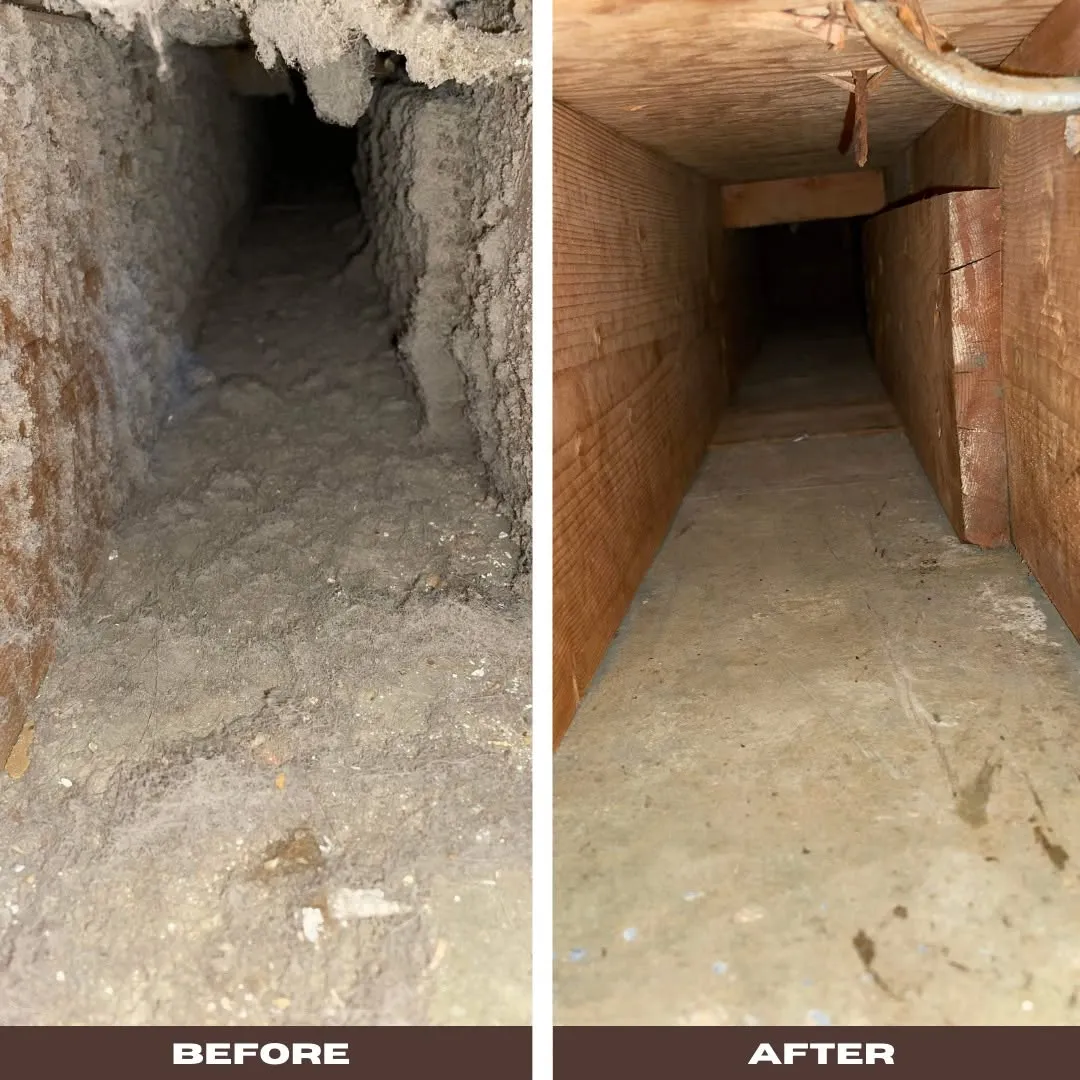
The main difference is that professional furnace and air duct cleaning is designed to control and collect loosened material throughout the cleaning process. According to NADCA’s proper cleaning methods, professional source removal involves two key steps: loosening contaminants with agitation tools and collecting that material while the HVAC system is kept under continuous negative pressure.
A household or shop vacuum used at an individual register does not reproduce that whole-system process. It can still be useful for routine cleaning of accessible surfaces, but homeowners should understand its limitations before expecting the same result as a professional HVAC cleaning.
Why Negative Pressure Matters During Professional Cleaning
Professional source-removal cleaning uses vacuum collection equipment to place the portion of the HVAC system being cleaned under negative pressure. Agitation tools are then used to loosen accumulated material so it can move toward the collection equipment instead of spreading into occupied areas.
The current ACR, The NADCA Standard includes requirements for negative pressure, containment, equipment use, HVAC-component inspection, and cleanliness verification during professional HVAC cleaning.
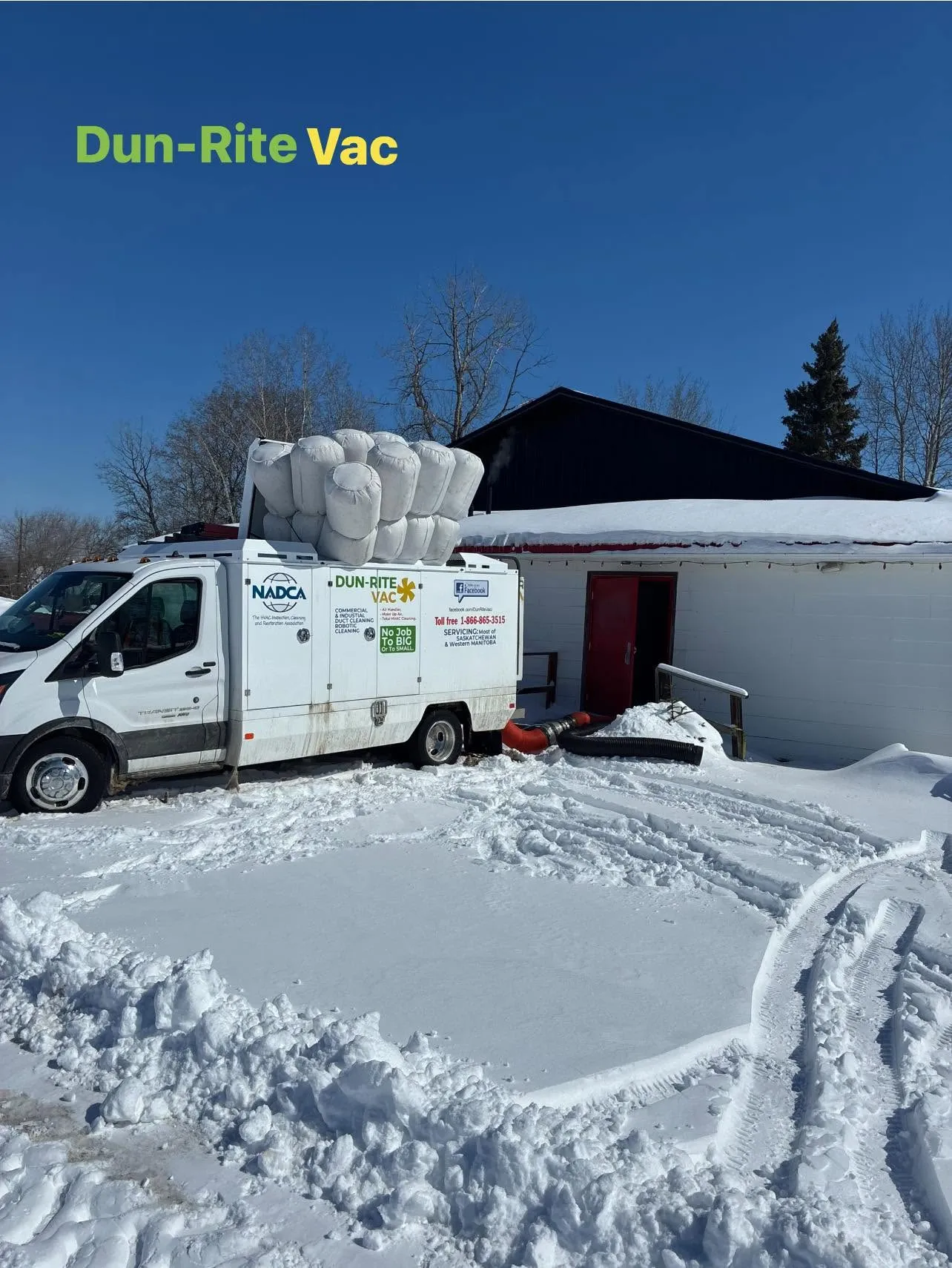
This is why comparing a professional HVAC cleaning system with a household vacuum based only on suction or airflow numbers can be misleading. What matters is how the equipment, access methods, agitation tools, containment, and collection process work together across the areas being cleaned.
| Capability | Typical DIY Cleaning | Professional Source-Removal Cleaning |
|---|---|---|
| Access | Primarily accessible registers and reachable duct sections | Additional access points may be used to reach deeper HVAC components |
| Debris Removal | Local vacuuming and brushing | Agitation combined with controlled vacuum collection |
| Containment | Depends on the vacuum and method used | Continuous negative pressure is used to help contain loosened material |
Need More Than Surface Cleaning?
If substantial buildup is located deeper inside your furnace and duct system, Dun-Rite Vac can assess the system and explain whether professional source-removal cleaning is appropriate.
Why Every Duct System Is Different
Homes throughout Saskatchewan can have very different HVAC layouts. Some have straightforward sheet-metal ductwork with accessible trunk lines, while others include finished basements, additions, multiple branches, tight mechanical areas, or sections that are difficult to reach from a register.
Those differences matter during any DIY project. A brush that moves easily through one straight metal duct may not work safely or effectively through another section with tight bends, dampers, flexible duct material, or limited access.
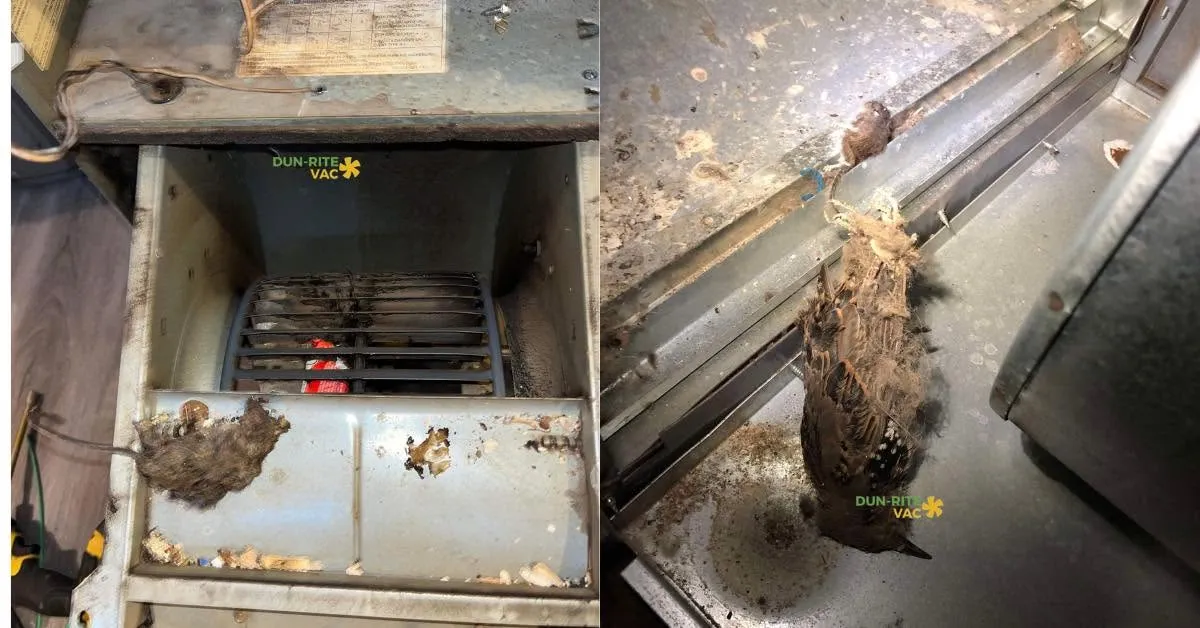
The condition of the system matters too. A small amount of accessible household dust is different from substantial debris, construction material, pest contamination, or another obstruction deeper inside the HVAC system. The appropriate response should be based on what is actually present rather than assuming every Saskatchewan home needs the same type of cleaning.
If you’re considering professional cleaning for your home, our Residential Furnace & Air Duct Cleaning page explains more about the residential service and the accessible areas that may be included.
Potential Risks of DIY Duct Cleaning
The main concern with DIY cleaning is not that every homeowner will damage the HVAC system. It’s that duct systems contain materials, joints, dampers, wiring, and other components that may not be obvious from the register opening.
Aggressive brushing or forcing long rods through unfamiliar ductwork can potentially damage flexible duct material, catch on seams or dampers, disconnect sections, or leave a brush or attachment lodged inside the system. If you’re unsure what type of ductwork you have or where a cleaning tool is going, stopping at accessible surfaces is the safer approach.
Common Questions About DIY Duct Maintenance
Can I safely use my household vacuum to clean the registers?
Accessible register covers and the immediate areas around them can generally be vacuumed as part of normal household cleaning. Avoid forcing tools deep into unfamiliar ductwork or disturbing HVAC components you cannot clearly see. Surface cleaning near a register is not the same as cleaning the complete duct system.
Will a DIY brush kit clean my furnace filters or blower assembly?
A duct brush kit is not a substitute for furnace maintenance. Filters should be cleaned or replaced according to the HVAC manufacturer’s instructions. Blowers, coils, heat exchangers, electrical components, and other furnace or air-handler components may require different cleaning and service procedures depending on the equipment.
How can I tell if my main trunk lines are dirty?
Dust around a register or a dirty furnace filter does not prove that the deeper trunk lines need professional cleaning. If you can safely inspect an accessible section, look for substantial deposits of debris rather than a light coating of ordinary household dust. Other reasons to investigate include particles being released from registers, pest activity, significant renovation debris, or another known contamination event.
Can DIY duct cleaning replace professional cleaning?
For routine housekeeping around registers, DIY cleaning may be all that’s needed. If substantial debris is located deeper inside the HVAC system and professional cleaning is warranted, a complete source-removal process provides access, agitation, collection, and containment that basic consumer tools are not designed to reproduce.
Need Professional Furnace & Air Duct Cleaning?
Dun-Rite Vac has served customers since 1998, is listed with NADCA, and has ASCS-certified personnel. If you’re dealing with substantial buildup that extends beyond accessible registers, contact our team to find out whether professional source-removal cleaning is appropriate.