
If your family’s sneezing or allergy symptoms seem worse during heating or cooling season, it’s reasonable to wonder whether material inside the HVAC system could be part of the problem. Dust, pollen, pet-related particles, and other debris can enter a forced-air system, but dirty ducts are only one of many possible sources of particles inside a home.
So, is duct cleaning worth it for allergies? It can be worth considering when the ductwork or other HVAC components contain excessive debris or another condition that actually calls for cleaning. What it should not be treated as is a guaranteed way to improve allergy or asthma symptoms.
Quick Answer: Air duct cleaning can remove accumulated dust, debris, pollen, pet-related material, and other particles from accessible HVAC surfaces when those materials are present. However, the EPA says duct cleaning has not been shown to prevent health problems or consistently reduce particle levels inside homes. If allergies are a concern, duct cleaning should be considered alongside filter maintenance, moisture control, source control, ventilation, and medical guidance rather than as an allergy treatment on its own.
Indoor Particles and Saskatchewan Homes
Saskatchewan homes rely heavily on forced-air heating during the long winter season, which means air moves through the HVAC system for many hours of the year. Indoor particles can come from many sources, including people, pets, cooking, cleaning, renovations, outdoor air, and pollen that enters through doors and windows.
Some of that material can settle inside HVAC components and ductwork over time. However, the EPA notes that much of the dust inside ducts adheres to duct surfaces and does not necessarily enter the living space. That is why the condition of the actual system matters more than simply assuming every home needs duct cleaning because someone has allergies.
What Can Build Up Inside Your Ducts
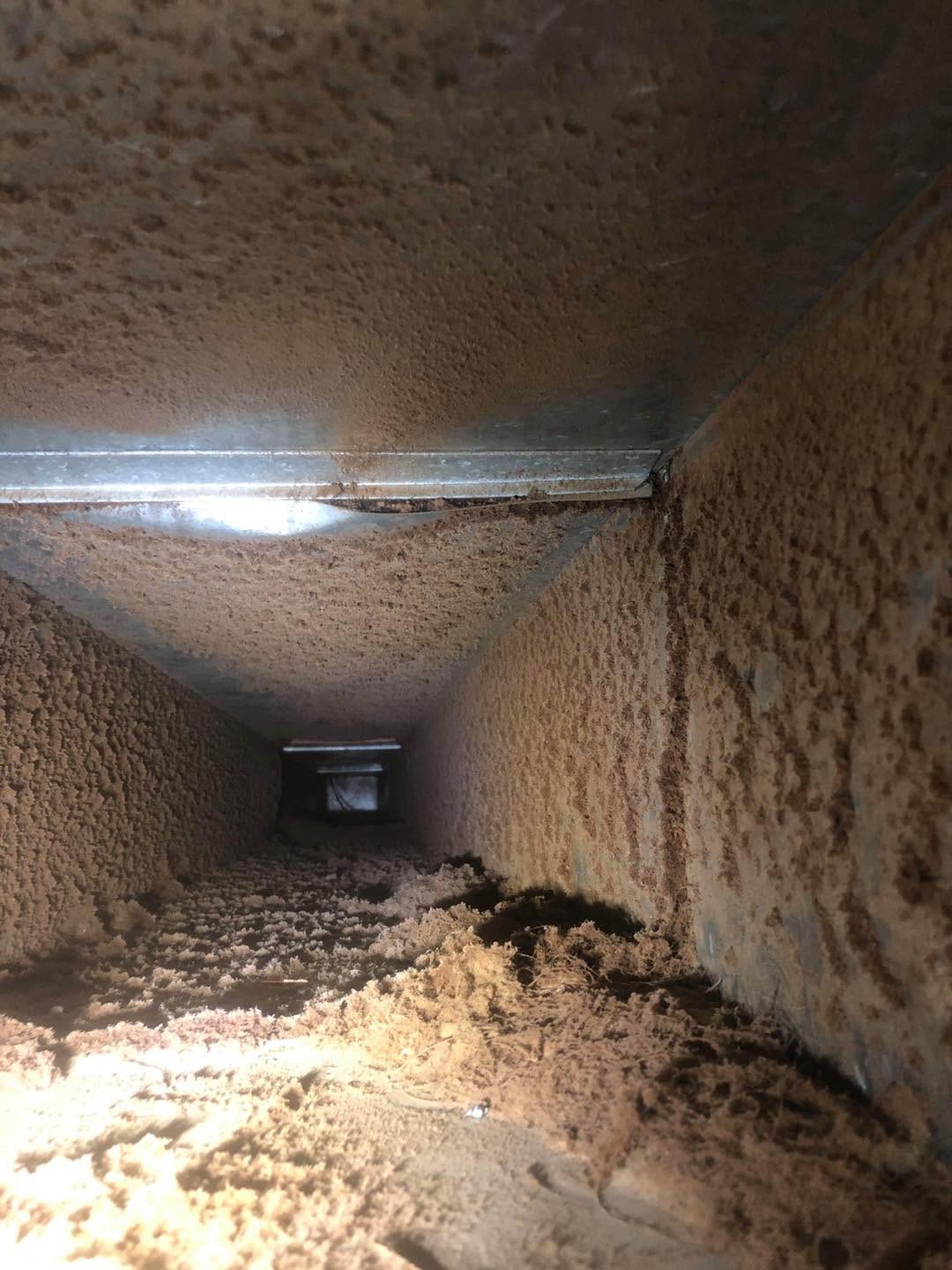
Depending on the home and how the HVAC system has been maintained, accessible ductwork and other components may contain a mix of materials such as:
✅ Dust and Household Debris — ordinary household particles can accumulate on HVAC surfaces over time.
✅ Pet Hair and Pet-Related Particles — homes with pets may have hair and other material entering return-air pathways.
✅ Pollen and Outdoor Particles — material from outdoors can enter the home through doors, windows, clothing, footwear, and ventilation.
✅ Material Associated With Moisture Problems — if moisture enters the HVAC system, the potential for biological growth increases. Mold should not be assumed from colour, smell, or appearance alone, and any underlying moisture problem needs to be corrected.
When It Makes Sense to Inspect the Ductwork
Allergy or asthma symptoms by themselves do not prove that the ducts are the source. If symptoms are unusual, persistent, or unexplained, the EPA recommends discussing them with a healthcare professional rather than assuming duct cleaning is the solution.
From an HVAC-maintenance perspective, there are some conditions that make the ductwork worth inspecting:
- Visible particles or debris being released from supply registers
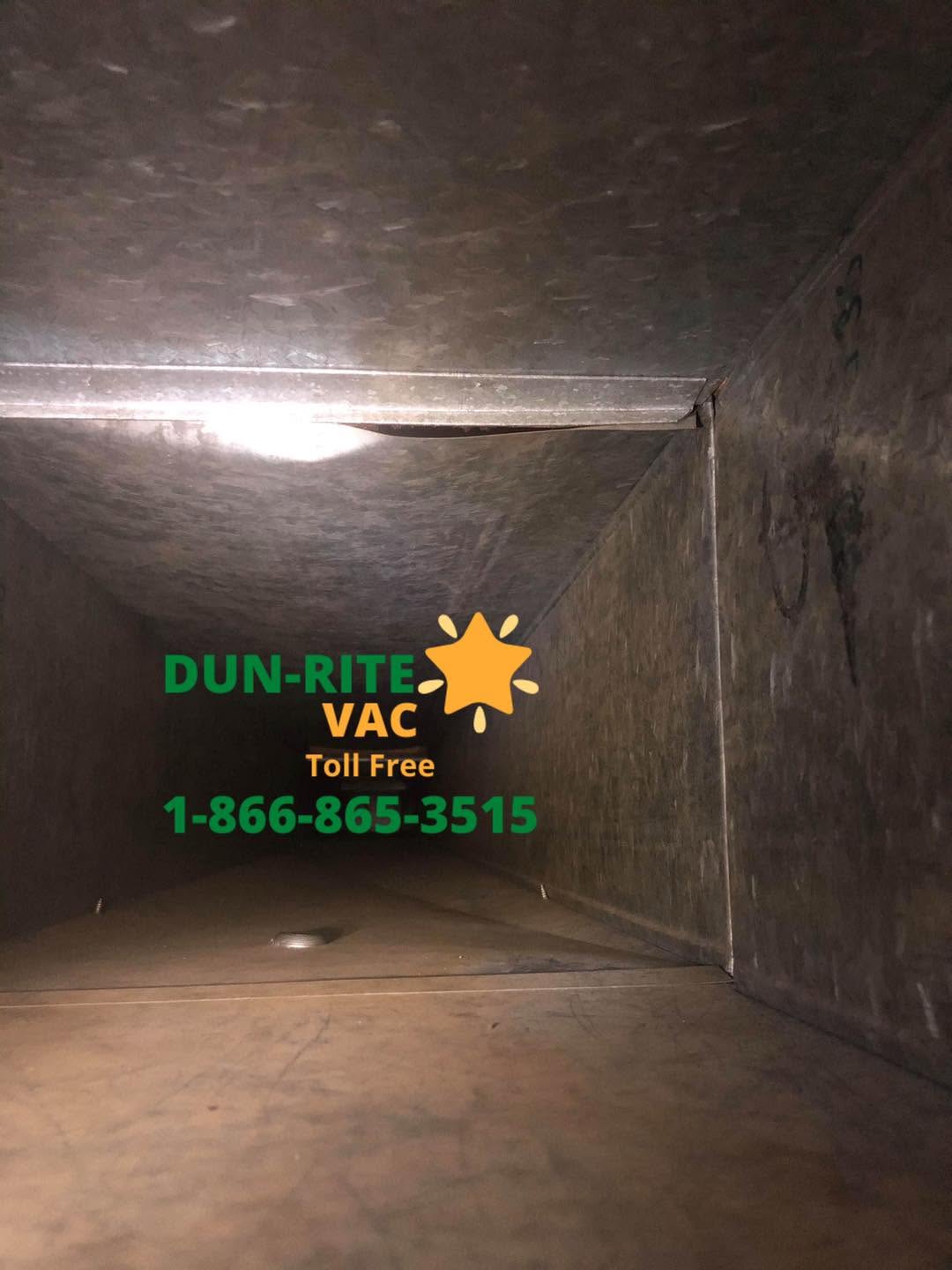
- Excessive amounts of dust or debris inside accessible ductwork
- Evidence of rodents, insects, or other pests inside the system
- Substantial material suspected to be mold inside hard-surface ducts or other HVAC components
- Heavy contamination following renovation, construction, or another unusual event
Before booking duct cleaning for a general dust concern, check the furnace filter as well. A filter that is overdue for replacement or not appropriate for the system is a simpler maintenance issue to address first.
Can Duct Cleaning Help With Airflow?
If a section of ductwork, register, or another HVAC component is genuinely restricted by excessive debris, removing that obstruction can address the restriction. However, routine duct cleaning should not be presented as a general way to improve furnace efficiency or airflow.
The EPA notes that some research suggests cleaning certain HVAC components, such as coils, fans, and heat exchangers, may improve system efficiency under some conditions, but there is little evidence that cleaning only the ducts improves efficiency.
Airflow problems can also result from filters, closed or restricted registers, dampers, duct design, return-air issues, equipment problems, or other HVAC conditions. Duct cleaning is only relevant when actual contamination or an obstruction is contributing to the problem.
What Professional Duct Cleaning Involves
Dun-Rite Vac is listed with NADCA and has ASCS-certified personnel. Professional source-removal cleaning is intended to loosen and remove accumulated material from the HVAC system rather than simply vacuuming near the visible registers.
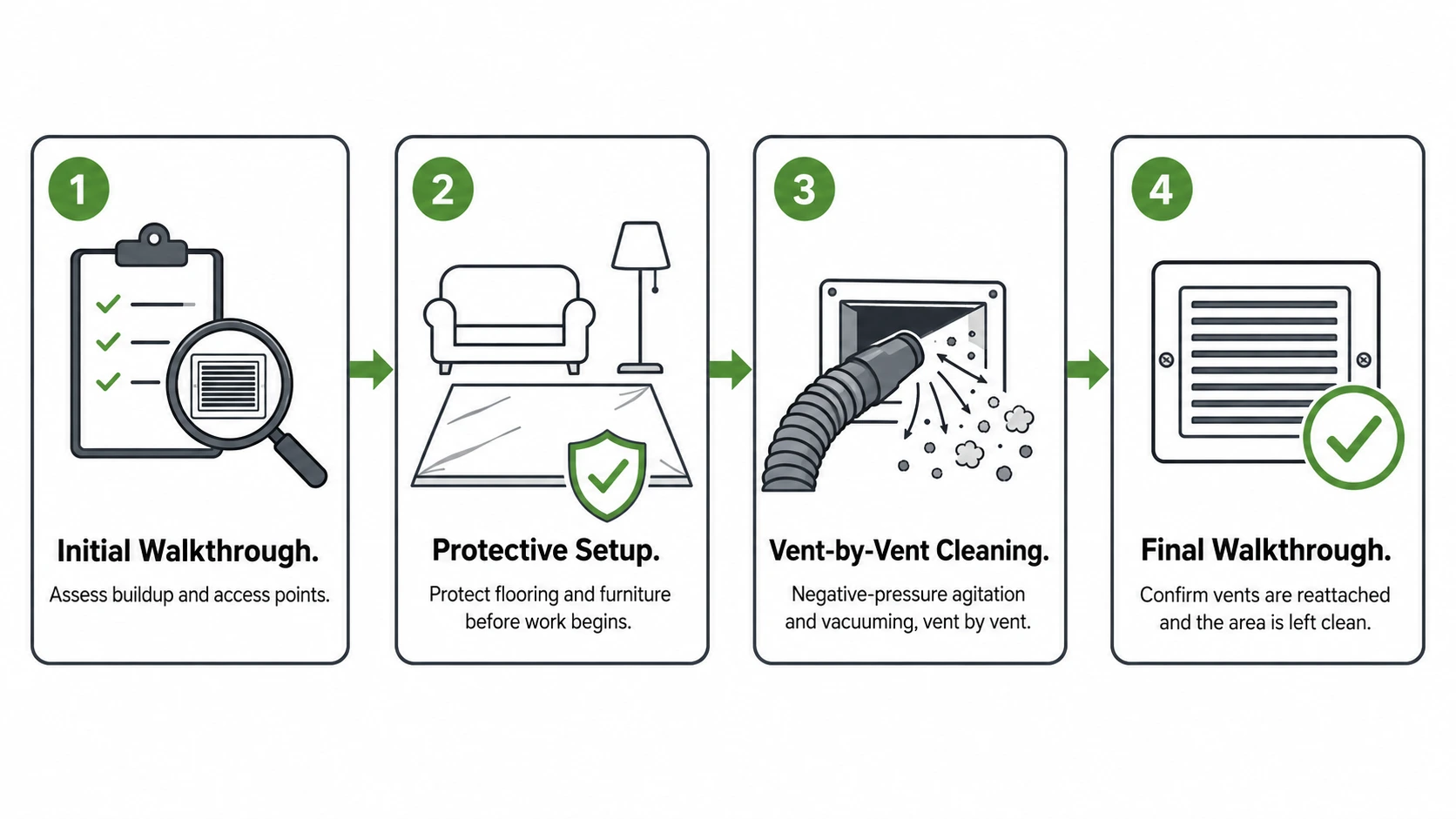
A residential visit includes an initial inspection and preparation of the system, cleaning of the supply and return ductwork, registers and accessible components included in the service, and a final review of the work performed.
If your home also has an air exchanger or HRV, remember that it is a separate ventilation system with its own maintenance requirements. Learn more about Dun-Rite Vac’s air exchanger and HRV cleaning service if that equipment also needs attention.
Setting Realistic Expectations
Air duct cleaning should be recommended based on the condition of the system, not because every home needs cleaning on a fixed schedule or because someone in the household has allergies.
The EPA does not recommend routine duct cleaning. It says cleaning should be considered when there is substantial visible mold growth inside hard-surface ducts or HVAC components, vermin infestation, excessive amounts of dust and debris, or particles actually being released into the home from supply registers.
The EPA also states that duct cleaning has not been shown to prevent health problems and that studies have not conclusively demonstrated that household particle levels decrease after duct cleaning. That doesn’t mean cleaning has no purpose. It means the reason for cleaning should be the actual condition of the HVAC system rather than a promised health outcome.
If you want the cost-and-value side of the decision, we’ve also written about air duct cleaning and potential HVAC costs. As with health claims, efficiency and savings depend on the condition of the system and should not be assumed for every home.
FAQ
How soon after duct cleaning will allergy symptoms improve?
There is no reliable timeframe because duct cleaning has not been shown to consistently improve allergy symptoms. Allergens and irritants can come from many sources inside and outside the home. If symptoms are persistent or unexplained, discuss them with a healthcare professional rather than using symptom improvement as the measure of whether the ducts were cleaned properly.
Do I still need to maintain my furnace filter after duct cleaning?
Yes. Duct cleaning and filter maintenance serve different purposes. Follow your HVAC manufacturer’s recommendations for the type of filter your system requires and how often it should be checked or replaced. Keeping an appropriate filter properly maintained helps reduce dirt entering the HVAC system.
How often should a household with allergies have the ducts cleaned?
There is no allergy-specific cleaning interval and no universal three- or five-year rule. The EPA recommends cleaning ducts as needed rather than routinely. The decision should be based on the condition of the HVAC system, such as excessive debris, confirmed contamination, pest infestation, or particles being released from the registers.
Can duct cleaning help with asthma?
Duct cleaning is not an asthma treatment, and it should not be promised as a way to reduce asthma symptoms. The EPA identifies several indoor asthma triggers, including dust mites, pets, mold, smoke, pests, and other irritants. People with asthma should work with a healthcare professional to identify their specific triggers and reduce exposure to them. If the HVAC system is genuinely contaminated, cleaning may be considered as one part of maintaining the home environment, but symptom improvement cannot be guaranteed.
Not Sure Whether Your Ducts Need Cleaning?
Dun-Rite Vac has served customers since 1998. If you’re seeing excessive dust or debris, particles coming from registers, or another reason to suspect the HVAC system needs attention, our residential furnace and air duct cleaning service can help you determine whether professional cleaning is appropriate. It’s part of our broader furnace and air duct cleaning services.